Mulch or Rock: Choosing What Goes in Your Flower Beds
Both mulch and rock can look great, but they ask very different things of you over the years.
October 1, 2026 · 4 min read
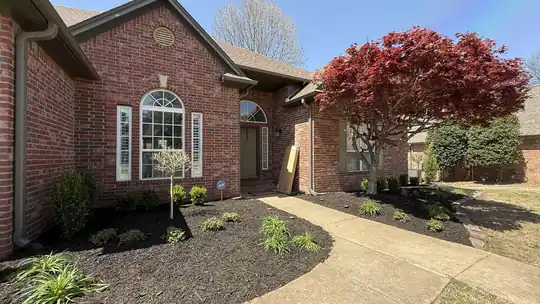
Sooner or later every homeowner with flower beds has to choose: mulch or rock. Both cover the soil, both look good when they are done right, and both have fans who swear the other one is a mistake. The truth is that each one fits certain yards and certain habits. Here is how to sort out which one fits yours.
What the bed cover is actually for
Whatever you pick, the cover has a few jobs. It holds moisture in the soil so plants don't dry out between rains. It blocks light so fewer weed seeds sprout. It keeps soil from splashing onto siding and walks. And it gives the bed a finished look, which is what you notice from the street.
Mulch and rock do all of these, but not equally well, and not for the same length of time.
Mulch: the living option
Wood mulch breaks down slowly, and that is both its strength and its cost. As it decays it feeds the soil, which plants like. It also keeps the ground cooler in summer, and it is easy to dig through when you want to add a plant.
The tradeoff is upkeep. Mulch fades and thins, so it needs to be topped up as it breaks down. A fresh layer of two to three inches is a common general guide. Keep it pulled back from the base of trees and shrubs, because mulch piled against a trunk holds moisture on the bark.
Dottie McAnally's review is a good example. Joel and his crew quoted the job, stood by the quote, and actually charged less because they didn't need as much mulch as quoted. It is a good reminder that mulch quantities are an estimate until the work is done.
Rock: the low-fuss option
Rock doesn't break down, so you aren't re-mulching every year or two. It doesn't fade and it doesn't wash away in a heavy rain. For beds along a foundation or around boulders, it can give a clean, lasting look.
It has its own drawbacks. Rock holds heat, which matters in an Arkansas summer, especially in a bed that gets full afternoon sun. Leaves and debris settle between the stones and are harder to clean out than they are from mulch. And because rock doesn't decompose, it doesn't improve the soil underneath. It is also much harder to remove later, so think twice before choosing it if you might want to change the bed in a few years.
Some customers do make the switch. One reviewer on Pureleaf's site said the crew changed their flower beds from mulch to rock and repaired the damage to the yard that came from building a new pool.
Fabric, weeds and edges
Landscape fabric goes under the cover to slow weeds. It helps, but it isn't magic. Over time, soil and debris collect on top of the cover and weeds root in that layer, not in the soil below. Fabric is more useful under rock, where you can't easily pull the weeds that get through. Pamela Satterfield's spring cleanup included new landscaping paper and mulch, along with some new plants.
Edges matter just as much as the cover. A clean edge keeps mulch or rock where it belongs and keeps grass from creeping in. You can use a cut trench, stone, or steel or plastic edging. A crisp edge is one of the first things people notice, and it makes even an older bed look kept.
Matching the cover to your yard
- Choose mulch if you plant often, like richer soil, or don't mind a yearly refresh.
- Choose rock if you want a steady, long-lasting look and a bed that rarely changes.
- Be cautious with rock in hot, sunny spots with heat-sensitive plants.
- Think about trees: beds under oaks collect a lot of leaves, which are easier to clear from mulch than rock.
Also think about the style of the house. A brick ranch with a red Japanese maple suits dark mulch. A bed built around boulders and junipers, like the Tuscan-style yard Don Whitehead described in Rogers, can suit rock very well.
Re-topping and ongoing care
Mulch gets a fresh top layer once a year or so, as needed. Rock needs a rake and the occasional top-up where it has settled or been kicked out. Either way, weeds still show up. Pulling them while they are small is far easier than dealing with them later.
If you aren't sure where to begin, call or text Pureleaf Lawncare at (479) 601-2057. The crew can look at your beds and talk it through. You will send a text, chat on the phone, and receive a quote. They work in Lowell, Springdale, Rogers, Bentonville and nearby towns.
Pureleaf Lawncare LLC, (479) 601-2057
Call (479) 601-2057More articles
What a Weekly Lawn Visit Should Cover in Northwest Arkansas
A weekly lawn visit should leave the whole yard finished, not just the grass shorter.
Fall Leaf Cleanup Timing in Northwest Arkansas
Leaves left on grass all winter cause damage you won't see until spring, so timing the cleanup matters.